
How to Break Into Regulatory Writing Without Going Broke
Skip the overpriced certificates—use real-world strategies that actually work.

Hey Future Regulatory Writer,
This week has been packed with submissions, student calls, and a behind-the-scenes project I’m working on that could make breaking into this field much easier.
But for now, I want to talk about something that comes up often when people are pivoting careers:
How do I save money while transitioning into regulatory medical writing?
Especially if you're considering going back to school or buying another certificate.
Here are my top three tips:
#1: Stop thinking you need another degree to break into regulatory writing.
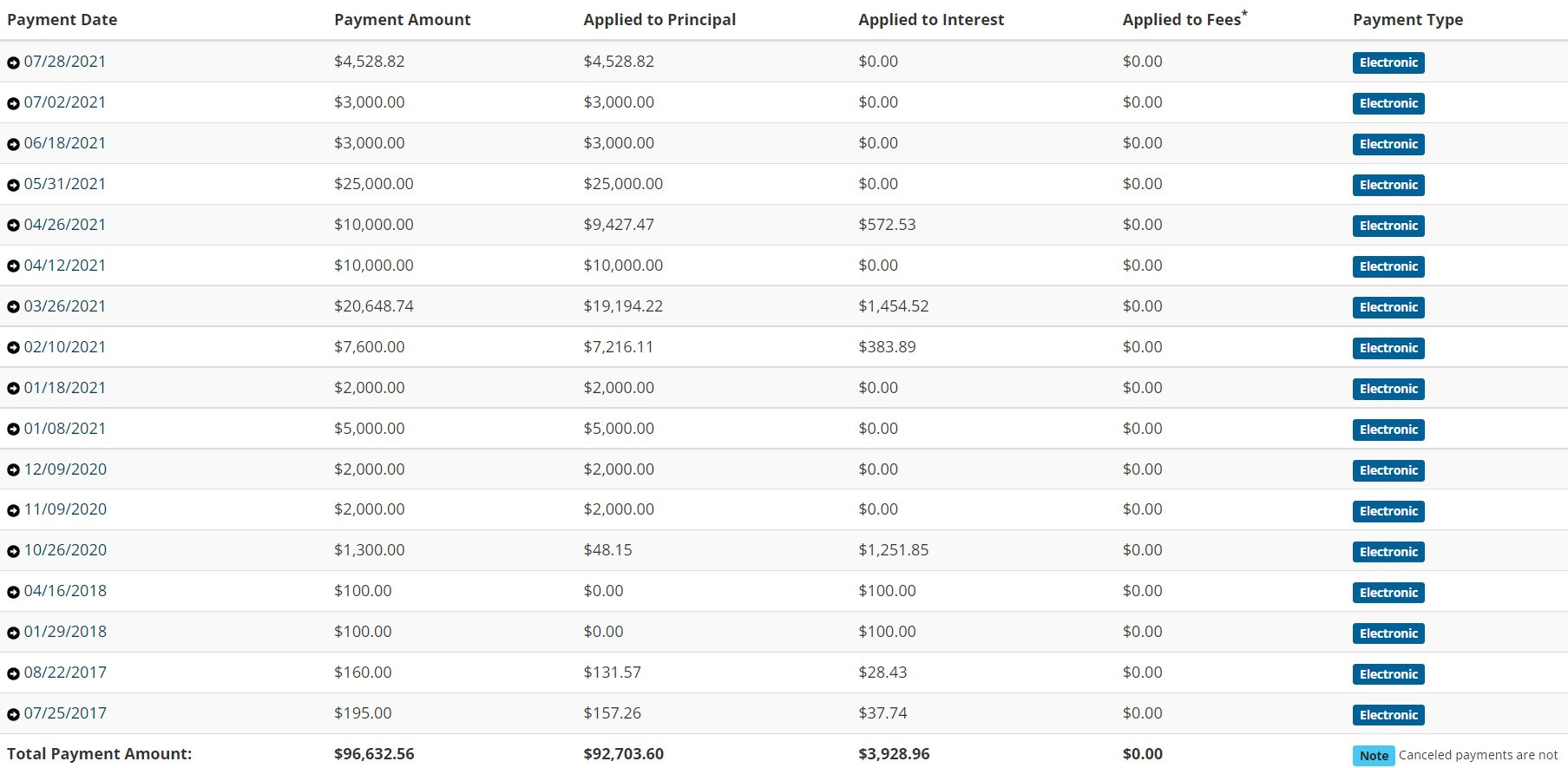
After paying off $96,632.56 of student loans in just 9 months through my first regulatory writing contract, I realized something:
The knowledge that changed my career didn’t come from a university.
It came from people doing the work I wanted to do, and from tools and resources that helped me improve in real time.
Here’s a full post where I break this down:
Why You Don’t Need Another Degree to Break Into Regulatory Writing
#2: Learn from others in the field.
Books, communities, and microlearning sessions helped me level up early on.
Microlearning remains a significant part of my routine. I wrote about how ten minutes a day changed everything here:
The 10-Minute Daily Habit That’s Reshaping My Career
These resources evolve quickly and reflect what’s actually happening in the industry right now. This is especially important in fast-moving areas like biotech and AI.
That is also why I created a low-cost course based on the exact tools, habits, and writing strategies I use in my daily work.
It is designed to help you build real-world skills without spending thousands.
#3: Be cautious about high-cost certifications.
Many programs cost thousands and do not guarantee a job, or even teach you the core skills regulatory writers use every day.
If you're going to invest in something, choose tools that teach you how to think, write, and deliver work in a real-world setting.
If you’re wondering whether you should pursue a certificate, I break down why I don’t recommend it here:
Why You Shouldn’t Get a Certificate Before Breaking Into Regulatory Writing
You don’t have to go back to school to build a better life.
You just need the right information, a strategy that works, and the willingness to keep improving.
What’s one thing you’ve spent money on in your career that was worth it?
Hit reply and let me know. I’d love to hear your take.
Talk soon,
Keagen
P.S. If you're ready to make a serious move into this field, I built the Regulatory Writing Career Launchpad to give people the support I wish I’d had when I started.
Everyone who joins is guaranteed their first regulatory writing job through one of my hiring contacts. It is paid PRN work at $50 per hour and provides real experience that you can use to build your resume and confidence.
Send me the message “more info” and I will get it to you.
And if you know a clinician or writer who needs this kind of opportunity, feel free to forward this their way.
I wanted to break in regulatory writing in science. Right now they are not hiring unless there is a degree attached to it unfortunately. If not I am very interested in this line of work.